Scaling Global Solar Infrastructure: 3 Critical Barriers
Scaling Global Solar Infrastructure: From Fragmented Assets to Institutional Portfolios
Scaling global solar infrastructure now faces challenges not from technology or money, but from structure. The solar panels work. The financing exists. What remains missing is the aggregation layer that transforms thousands of distributed installations into coherent, investable portfolios. SolarPower Europe reports that Europe installed around 65 GW of new solar capacity in 2024. Distributed rooftop systems are becoming a bigger part of this growth. Yet most of these assets remain locally developed, independently owned, and operationally disconnected from one another. For institutional investors seeking contracted infrastructure yield, this fragmentation represents both the primary barrier and the primary opportunity. The question is no longer whether distributed solar can scale – it is whether the platforms exist to make that scale accessible.
The Structural Challenge Behind Scaling Global Solar Infrastructure
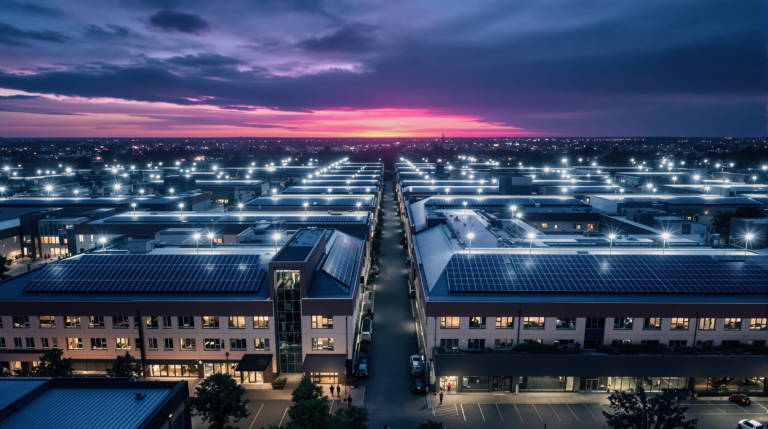
Europe’s rooftop solar potential is about two to three terawatt-peak. This is several times more than the current installed capacity on the continent. This represents one of the largest untapped energy infrastructure opportunities available today. Yet when institutional capital looks atdistributed rooftop solar infrastructure in Europe, it encounters a market that behaves more like fragmented real estate than like infrastructure.
The challenge is not deployment. Installations take place daily in commercial and industrial buildings across Germany, Poland, Italy, and the Netherlands. The challenge is that each installation operates in isolation. Different building types, different ownership structures, different permitting environments, different operational standards. This variety makes it hard to underwrite portfolios, standardise contracts, and attract the capital that usually goes to infrastructure assets.
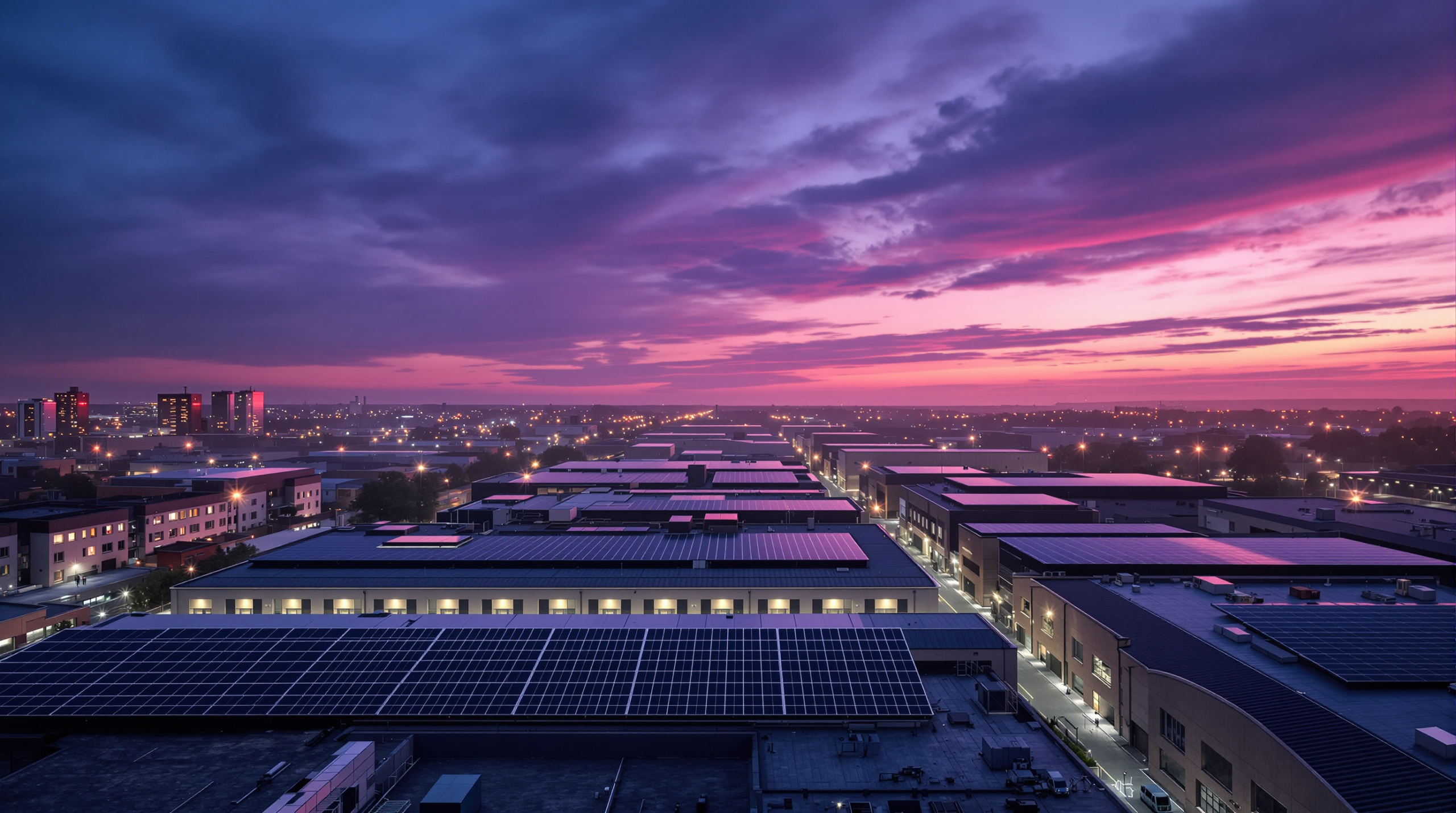
For scaling global solar infrastructure to succeed, this structural gap must be addressed. The asset base already exists. What’s missing is a platform layer. This layer should combine these assets into portfolios. It needs to ensure predictable cash flows and meet institutional-grade standards. This is where the market is beginning to shift – from project-by-project development toward systematic portfolio formation.
Why Repeatability Drives Scaling Global Solar Infrastructure
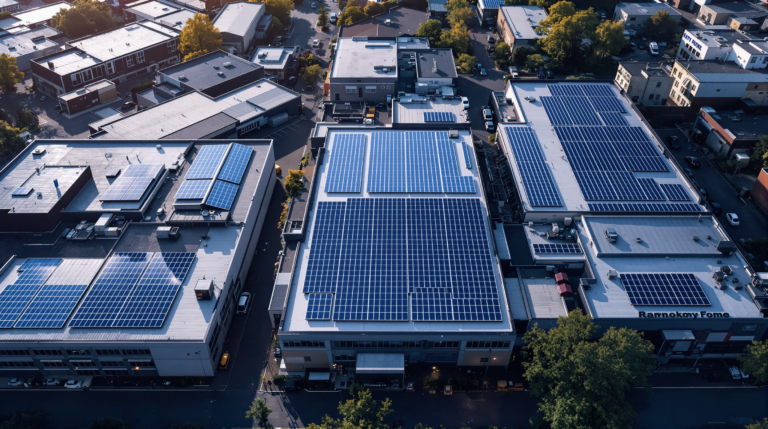
In distributed energy, scale does not come from building larger assets. It comes from building many smaller ones with operational consistency. A single 500 kWp rooftop installation is a project. Five hundred of these installations, standardised and bundled under long-term power purchase agreements, form infrastructure. As explored inEuropean Solar Infrastructure: From Fragmentation to Scale, this transition from fragmentation to institutional scale defines the next phase of the market.
Scaling global solar infrastructure needs a systematic approach. This includes site acquisition, technical deployment, and keeping assets. Each rooftop secured represents not just a single installation but a node in a growing network. When the same process works well in different places and with various partners, the business changes fundamentally.
This is why platform thinking has become critical. ENSOOL’s distributed solar platform is built around this premise – that distributed assets can be aggregated into portfolios offering long-term revenue visibility and diversified counterparty exposure. The model involves securing SME rooftops, deploying standardised systems, contracting long-duration PPAs, and reinvesting cashflows into portfolio growth. That compounding effect is what transforms individual projects into institutional infrastructure.
| Characteristic | Project-Based Development | Platform-Based Aggregation |
|---|---|---|
| Scale mechanism | Individual site development | Systematic portfolio formation |
| Revenue visibility | Single counterparty exposure | Diversified PPA contracts |
| Operational model | Bespoke per installation | Standardised and repeatable |
| Capital accessibility | Limited to project finance | Institutional infrastructure capital |
| Exit optionality | Asset-by-asset sale | Portfolio or YieldCo structure |
Market Conditions Accelerating Scaling Global Solar Infrastructure
Several structural forces are now converging to accelerate distributed solar deployment across Europe. According to Eurostat, non-household electricity prices across the EU remain above historical baselines, creating persistent economic incentives for on-site generation. For SMEs, rooftop solar is now an operational cost management strategy rather than a decision focused on sustainability.
At the same time, grid congestion is increasing the value of local generation. Utility-scale projects face connection queues stretching for years in some markets, while distributed systems can be deployed in weeks and generate revenue immediately after commissioning. This deployment speed advantage, examined in detail in Rooftop Solar Deployment Speed: Why Distributed Beats Utility, makes rooftop solar particularly attractive for rapid scaling.
For institutional investors, these trends offer strong reasons to expand global solar infrastructure using distributed assets. The combination of contracted revenue streams, inflation-linked pricing structures, and diversified counterparty exposure offers characteristics similar to traditional infrastructure while accessing a market segment that has historically been difficult to reach at scale. As aggregation platforms grow, the investment idea becomes clearer. Distributed solar offers reliable returns in a fast-growing asset class.
Frequently Asked Questions About Scaling Global Solar Infrastructure
What is the primary barrier to scaling global solar infrastructure through distributed assets?
How does distributed solar compare to utility-scale for scaling global solar infrastructure?
What role do long-term PPAs play in scaling global solar infrastructure?
Which European markets offer the strongest opportunities for scaling global solar infrastructure?
The transition from fragmented deployment to systematic aggregation marks a structural shift in how distributed solar is approached. As platforms capable of scaling global solar infrastructure continue to mature, the category is moving from individual installations toward institutional-grade portfolios. ENSOOL is building around this thesis – that Europe’s rooftops represent not just an energy opportunity, but an infrastructure asset class waiting to be structured. The assets exist. The capital is ready. What connects them is aggregation at scale.